Sizing a Range Hood Duct in a Bellevue Kitchen
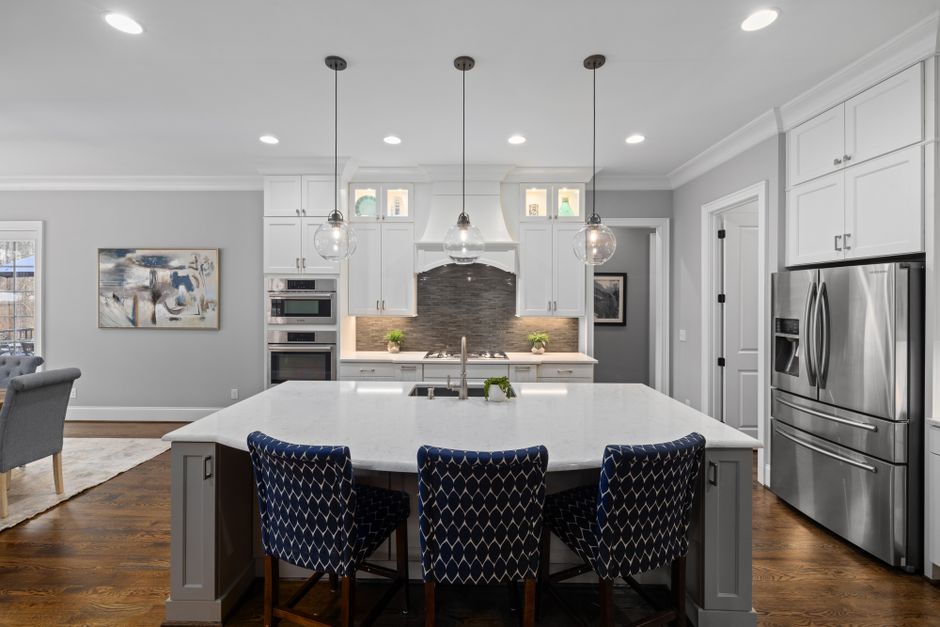
On a duct run longer than fifteen feet with three elbows, the hood's rated airflow stops meaning much. The running record bellevue kitchen remodelers primer conference holds shows the same pattern in kitchen after kitchen: the hood gets blamed, and the duct is the real problem. In Bellevue, WA, the houses built tight and insulated well make that pattern worse, because the fan has to pull replacement air from somewhere. That holds from the older streets near Downtown Park to the newer homes on the slopes of Cougar Mountain, and across the Eastside generally.
Run length and elbows
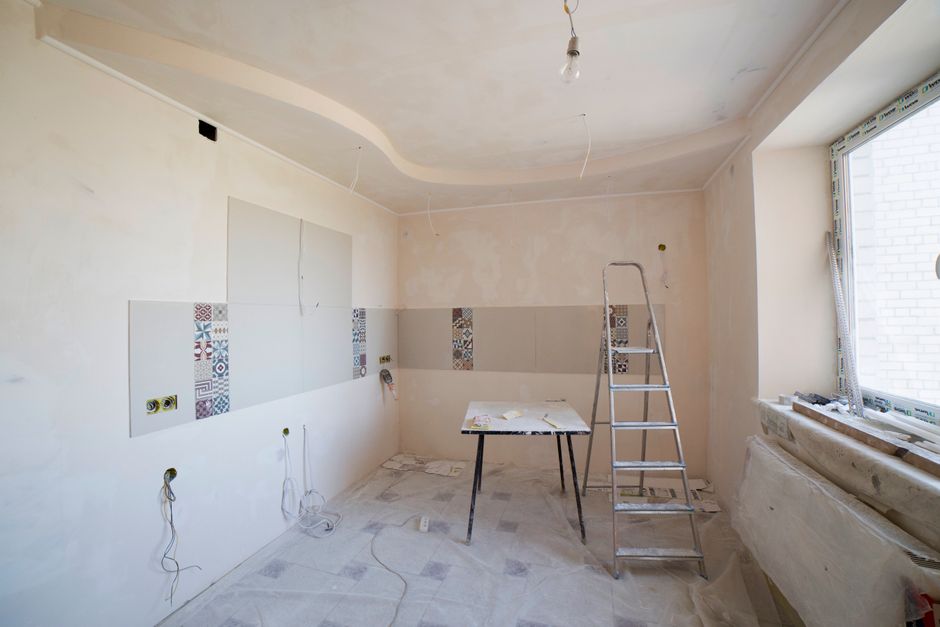
Every elbow in a duct costs the equivalent of several feet of straight pipe. A hood sitting against an exterior wall can exit with one short run and no turns. A hood on an interior wall, common in the Eastside ranch and split-level plans around Crossroads, may need a long climb through the attic and out a roof cap, with two or three turns along the way. Measure the whole path before picking the fan, and count each elbow as added length.
Wall exit versus roof exit
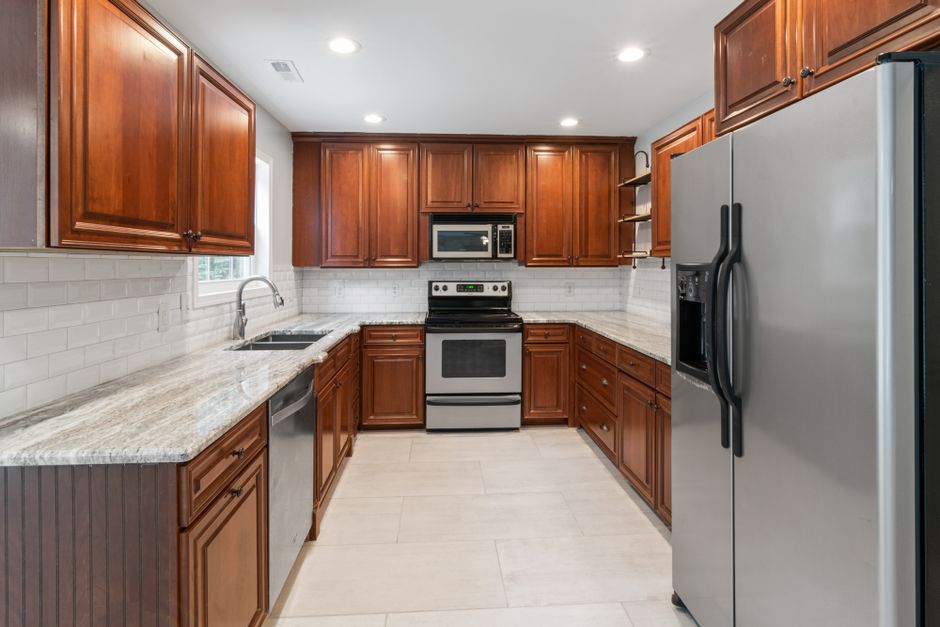
A wall cap is simpler to build and easier to clean, but it needs clear space outside, away from windows and soffit vents. A roof cap needs a flashed penetration, and in a wet climate that flashing is the detail that fails first. Rain in Bellevue, WA falls for months at a stretch, so a roof exit gets sealed and flashed like a chimney, with the joint inspected before the ceiling is closed. Either way the cap needs a damper that closes, or cold outside air slides back down the pipe all winter.
Duct size matters more than the hood
A powerful blower pushed into a six inch duct that should be eight inches mostly makes noise. Duct diameter is set by the airflow the hood is rated for, and stepping down at the hood collar throttles it. Rigid metal duct with taped seams moves air better than flexible foil, which sags and collects grease in its ribs.
Makeup air in a tight house
A strong hood exhausts the kitchen faster than leaks in the walls can replace the air. A newer or recently sealed house in Bellevue, WA can end up with a hood that whistles at the door gaps, or with a gas water heater that backdrafts when the fan runs. Larger hoods call for a deliberate makeup air path, a small duct that brings in outside air, usually interlocked so it opens when the fan starts.
What gets decided before drywall
The duct route, the cap location and the hood height are settled while the walls are open. Cabinets cannot be hung around a hood that has no duct behind it. Measuring, drawing the route on the studs and photographing it before the board goes up saves a great deal of cutting afterward in a finished kitchen, and it gives the next owner a map of what is inside the wall.