Moisture Behind a Backsplash in Wet Pacific Northwest Winters
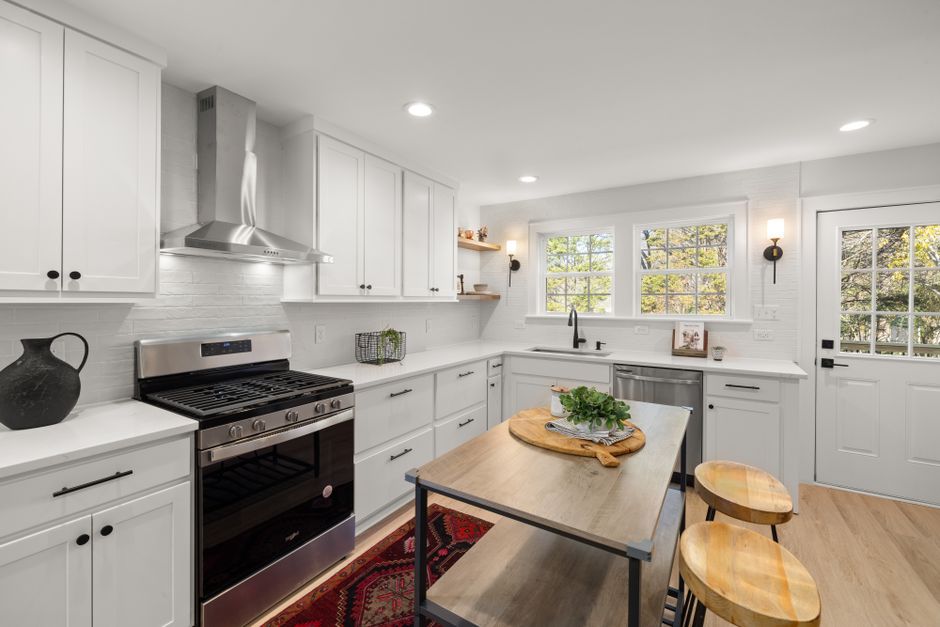
The faint musty smell that rises when a base cabinet door is opened in January usually points at the wall behind it. Every teardown bellevue kitchen remodelers primer conference has logged shows the same thing: the damage starts as slow dampness, long before anything is visible on the tile. In Bellevue, WA, with the long gray season close to Lake Washington, that dampness has months to work on a kitchen wall. The same King County weather soaks houses near Mercer Slough and up in the Factoria hills alike.
Where the water actually comes from
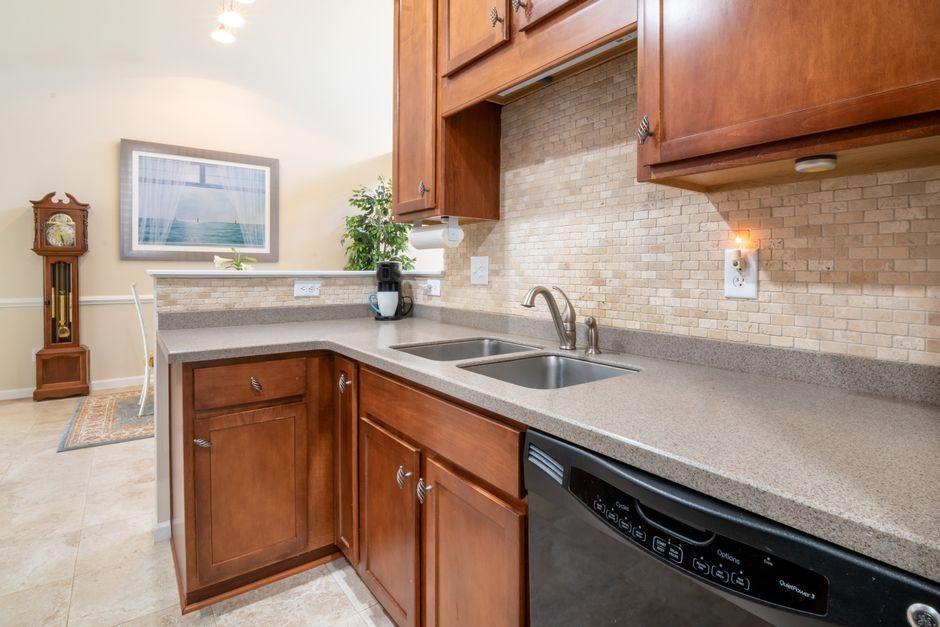
Most of it is not a leak. A drip at the sink trap, a dishwasher supply that weeps, or a window sill that sheds rain onto the wall below it can each wet a stud bay quietly. Steam from cooking and a hood that vents poorly add to it. In older Bellevue, WA homes the wall cavity often has no vapor control at all, so moisture moves through the wall in both directions depending on the weather.
What gets checked before tile
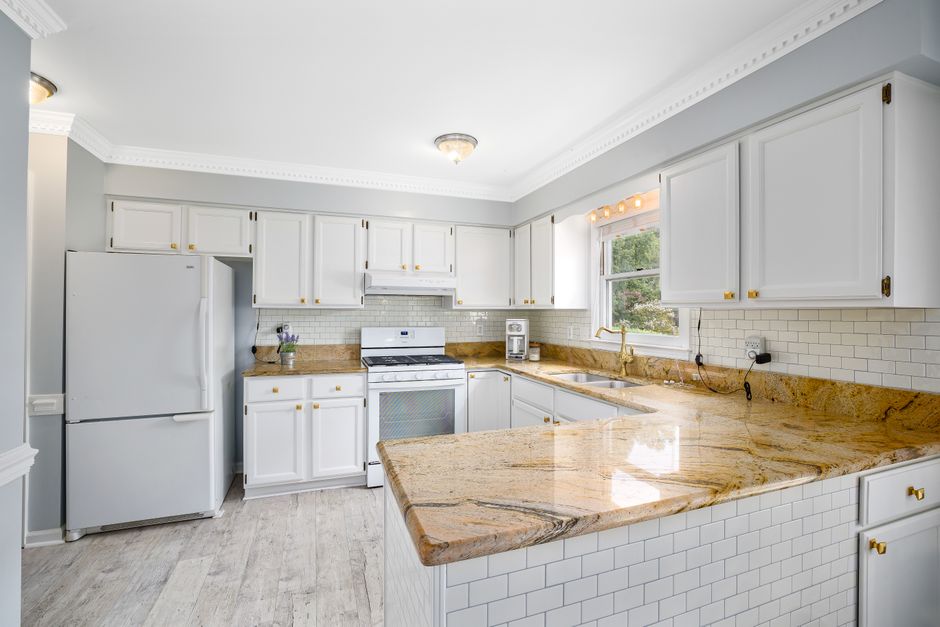
With the old backsplash off, the drywall is probed with a screwdriver and read with a moisture meter. Soft paper facing, rust on screw heads and dark staining on the back of the board all mean the wall has been wet. Studs get read too. A stud that reads damp is given time to dry, and the source is fixed first, never covered over with new tile.
Substrate choices
Ordinary drywall behind a sink-side backsplash is a short-term choice. Cement board or a foam-core tile backer tolerates wet cycles far better, and a waterproof membrane over it protects the seams. Behind the range the heat matters more than water, so the substrate there is picked for that job. Mixing materials on one wall is normal as long as the transitions are taped and sealed.
Sealing the joints that move
Grout is rigid, and the corner where the backsplash meets the countertop moves with the seasons. That joint takes flexible caulk, not grout, and it is where water enters first. Around Bellevue, WA the damp winters followed by dry heated rooms flex everything in the house a little, so the caulk line gets checked each spring and replaced when it pulls away from the tile.
Order of work
Fix the source, dry the cavity, replace damaged board, set the backer, seal the seams, then tile. Skipping the second step is how a new backsplash ends up sitting on an old problem, and the first sign is a hairline crack in the grout at the sink end.